Software Support and Evolution Technologies

At Software Support and Evolution Technologies, we deliver exceptional Software Support and Evolution services designed to keep your digital ecosystem stable, secure, and future-ready.

Our dedicated support engineers and evaluators ensure your software runs seamlessly through continuous monitoring, timely issue resolution, and performance optimization. With a focus on innovation and proactive maintenance, we help businesses evolve their systems to meet changing market and technological demands — without disruption.

Our Result-driven Software Support and Evolution

From software consulting to modernization, we deliver Software Support and Evolution for startups, agencies, and enterprises.

#

Software Consulting

We provide expert software consulting to help you make smart, strategic technology decisions that drive business growth.

#

Web App Development

We build high-quality, scalable web applications designed to deliver smooth performance and an exceptional user experience.

#

Software QA & Testing

We ensure software quality and reliability through comprehensive testing that delivers error-free, high-performing applications.

#

Mobile App Development

We build high-performing, user-friendly mobile apps that help businesses deliver seamless digital experiences on any device.
#

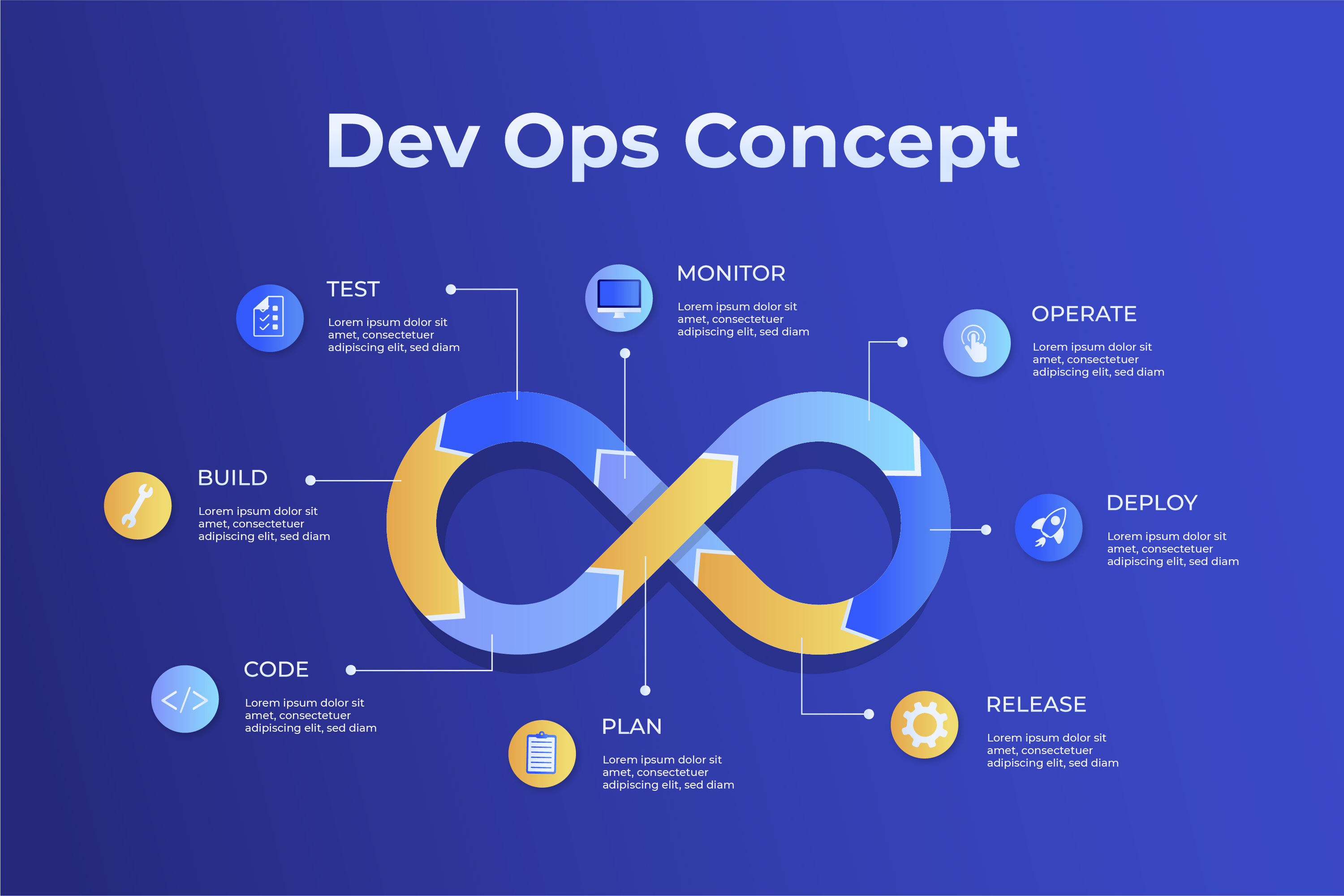
DevOps

DevOps streamlines development and operations to deliver faster, more reliable, and continuous software improvement.

#

Software Modernization

Software Modernization transforms outdated systems into modern, efficient, and scalable solutions that support today’s business needs.

Worked on 50+ Types of Software Support & Evolution

We deliver end-to-end software support, maintenance, and continuous evolution services that keep your systems stable, secure, and future-ready across multiple domains and technologies.

Industries We Cater to

We support diverse industries by keeping their software reliable, scalable, and continuously evolving

#

eCommerce

Run Smooth. Convert More.

Maintain high-performing storefronts with zero downtime and seamless updates.

#

SAAS

Stabilize Faster. Scale Longer.

Ensure uninterrupted product delivery with continuous optimization and feature evolution.

#

Real Estate

Automate. Update. Close.

Keep property platforms running smoothly with secure, modern, and evolving software systems.

#

Healthcare

Reliable. Compliant. Patient-Safe.

Upgrade and maintain care systems with secure, regulation-ready software workflows.

#

Financial Services

Protect Data. Ensure Continuity.

Deliver trusted, stable platforms with strict security and ongoing system improvements.

#

Lead Generation Agencies

Run Campaigns. Optimize Performance.

Support scalable tools with real-time fixes, upgrades, and automation enhancements.

#

Local Service Agencies

Operate Smooth. Serve Better.

Improve everyday operations through reliable systems and continuous software evolution.

#

Creative & Design Agencies

Create. Update. Deliver.

Keep production workflows efficient with modern, stable, and updated digital tools.

Our Process

We specialize in engineering custom software that's both stable and secure, using a variety of tech tools.

Analysis & Strategizing

Defining goals and planning for a successful software project.

Development & Testing

Building and rigorously testing for reliable, secure software performance.

Architecture,UI/UX Design

Creating intuitive design and robust architecture for user engagement.

Deployment

Launching software smoothly in live environments with minimal downtime.

Project Handover

Delivering software with ongoing support and future enhancements available.

Software Development Methodologies

Tailoring the Approach to Your Needs

#

DevOps

Embrace the culture of collaboration and continuous improvement with DevOps.

#

Agile

Adopt a flexible and efficient development approach with Agile.

#

Scrum

Implement Scrum for a more structured yet flexible development process.

#

Waterfall

Choose Waterfall for its sequential, linear approach to software development.

Get Detailed Information on Software Support and Evolution

Here is our complete guide on software support and evolution that you can consider for maintaining, improving, and future-proofing your digital products. This will help you understand the support process, explore long-term system evolution, and choose the right partner to ensure your software stays efficient and competitive.


Benefits of Software Support & Evolution


  • Software support and evolution services offer a wide range of advantages to businesses looking to maintain and continually improve their digital systems:
  • Improved Reliability: Ensures your systems run smoothly with minimal downtime through proactive monitoring and timely issue resolution.
  • Future-Ready Scalability: Supports seamless scaling and introduces new capabilities as your business expands or technology evolves.
  • Security Enhancement: Provides ongoing security updates, vulnerability fixes, and threat monitoring to protect your data and operations.
  • Cost Efficiency: Prevents expensive failures, reduces maintenance costs, and extends software lifespan by continuously evolving existing systems.
  • Enhanced User Experience: Ongoing improvements and usability updates keep your product modern, intuitive, and competitive.

Key Steps Involved in Providing Software Support and Evolution


  • Here is a step-by-step guide covering how comprehensive support and system evolution services are delivered:
  • Requirement Assessment & System Analysis
  • Understanding current system performance, user needs, and business objectives
  • Identifying bottlenecks, issues, and outdated components
  • Analyzing logs, performance metrics, and infrastructure health
  • Preparing support plans and creating an improvement roadmap
  • Support Planning
  • Defining service levels, scope of support, and maintenance goals
  • Scheduling regular health checks, updates, and monitoring tasks
  • Assigning responsibilities to dedicated support specialists
  • Establishing communication and reporting mechanisms
  • UX/UI Enhancements & Architecture Improvements
  • Reviewing user experience challenges and workflow inefficiencies
  • Creating improved layouts, navigation flows, and interface enhancements
  • Refining architecture for better scalability, performance, and security
  • Conducting user feedback studies for continuous refinement
  • Maintenance, Bug Fixing & Performance Testing
  • Fixing reported issues, bugs, and errors across the system
  • Conducting performance, stress, security, and compatibility testing
  • Updating libraries, integrations, plugins, and backend components
  • Implementing improvements based on test results and system monitoring
  • Deployment of Enhancements & Updates
  • Rolling out updates, patches, and new features in a stable manner
  • Managing cloud configurations, database updates, and backend tuning
  • Ensuring compatibility with third-party tools and platforms
  • Validating performance and stability after deployment
  • After-Release Monitoring & Improvements
  • Tracking system behavior in real-time through monitoring tools
  • Fixing newly discovered bugs and enhancing system stability
  • Updating security protocols and compliance requirements
  • Implementing incremental improvements based on user feedback
  • Continuous Support & Long-Term Evolution
  • Offering 24/7 support for critical issues and outages
  • Adding new features and capabilities as business needs evolve
  • Modernizing components, migrating to new platforms, and optimizing infrastructure
  • Ensuring long-term stability, scalability, and improved ROI
  • Evaluating the Expertise of Software Support & Evolution Providers


    When searching for a software development provider, it’s crucial to consider factors such as communication channels, timely feedback, and the use of the right tools and technologies. This is particularly true for custom corporate software development services.

    Ensure they have solid documentation practices and technical transparency

    Confirm that they follow best practices for troubleshooting, updating, and optimizing your software
    1) Understand Your System Support Requirements
  • Determine if you need ongoing maintenance, modernization, or full-cycle evolution services based on your software’s age and complexity.
  • 2) Establish Clear Communication Channels
  • Ensure your partner offers quick response times, clear reporting methods, and transparent progress updates.
  • 3) Provide Timely Feedback
  • Regular feedback ensures updates, fixes, and improvements meet your expectations and align with user needs.
  • 4) On-Time Delivery of Enhancements
  • Choose a provider with a proven ability to deliver updates, patches, and improvements without delays.
  • 5) Use of Modern Tools & Technologies
  • Your support partner should use monitoring tools, automated testing tools, DevOps pipelines, and performance analyzers for efficient support.
  • 6) Maintain Documentation Standards
  • Accurate documentation of system changes ensures smooth future enhancements and reduces dependency on specific individuals.
  • 7) Reassess Improvement Goals Frequently
  • Regular reviews help identify new opportunities for optimization and ensure your software remains competitive.
  • 8) Avoid Uncontrolled Changes
  • Prevent scope creep by clearly documenting updates and following structured release cycles.
  • 9) Integrate Quality from the Start
  • Constant testing, performance evaluations, and security reviews should be built into every update to avoid failures.
  • li>Following these best practices will help you navigate the software development process effectively and achieve successful outcomes.

    Software Support and Evolution Lifecycle


  • There are generally four major phases involved in the software support and evolution lifecycle: analysis, improvement planning, implementation, and validation.
  • 1. System Analysis
  • Before applying any fixes or enhancements, the support team identifies:
  • Current issues
  • Performance gaps
  • Security vulnerabilities
  • User pain points
  • This helps ensure updates and improvements are aligned with business goals.

    2. Improvement Design

    After analysis, the team prepares:

  • Optimization plans
  • UI/UX enhancement strategies
  • Architecture or integration upgrades
  • Prototypes of improved user flows
  • These designs help visualize the impact before implementation.
  • 3. Implementation
  • Engineers apply the updates, improvements, and fixes. This can include:
  • Resolving bugs
  • Updating frameworks
  • Enhancing speed and responsiveness
  • Improving security layers
  • Automation tools, monitoring software, and DevOps pipelines ensure fast and reliable updates.
  • 4. Validation & Testing
  • Before releasing updates, the system undergoes:
  • Functional testing
  • Regression testing
  • Performance testing
  • Security testing
  • This ensures everything works smoothly and reliably.
  • Ensuring Data Security in Ongoing Software Support


  • Data protection is a major priority throughout the support process.
  • Non-Disclosure Agreements (NDA)
  • Secure agreements protect your sensitive data and business information.
  • Secure Coding & Updating Practices
  • Support teams must follow strong encryption, secure coding, and safe update procedures.
  • Access Controls
  • Using role-based access and multi-factor authentication ensures only authorized staff handle sensitive systems.
  • Compliance with Regulations
  • Ensure your partner adheres to GDPR, HIPAA, or other required compliance standards.
  • Regular Security Audits
  • Frequent reviews help detect breaches and maintain high security.
  • Data Protection Policies
  • Strong policies ensure safe handling, storage, and transmission of your data.
  • Offshore vs Onshore Support Models


  • Understanding the difference between support models helps you choose cost-effective and efficient services. Both offer benefits, but the right choice depends on budget, speed, complexity, and compliance factors.
  • Optimizing Software Support for Better Efficiency


  • To maximize the impact of software support and evolution:
  • Agile Methodology
  • Follow an agile approach with regular updates, feedback cycles, and continuous improvements.
  • Clear Documentation
  • Accurate requirements and update logs help avoid confusion and future issues.
  • Effective Communication
  • Regular syncs, progress updates, and transparent reporting maintain clarity.
  • Continuous Testing
  • Built-in quality ensures long-term stability and reduces production issues.
  • Cross-Team Collaboration
  • Developers, testers, designers, users, and stakeholders work together for better results.
  • Use of Tools & Automation
  • Monitoring tools, automated testing, CI/CD pipelines, and analytics ensure fast, reliable, and efficient support.
# #
What saye's Our Clients

Our Testimonials

slide 2 of 4
#